CAC’s Margie Alt: Trump’s EPA To Weaken Methane Rules in Giveaway to Big Oil and Gas Over Our Health
FOR IMMEDIATE RELEASE: October 7, 2026
CONTACT: Gabrielle Levy, Glevy@cacampaign.org, 562-673-6974
CAC’s Margie Alt: Trump’s EPA To Weaken Methane Rules in Giveaway to Big Oil and Gas Over Our Health
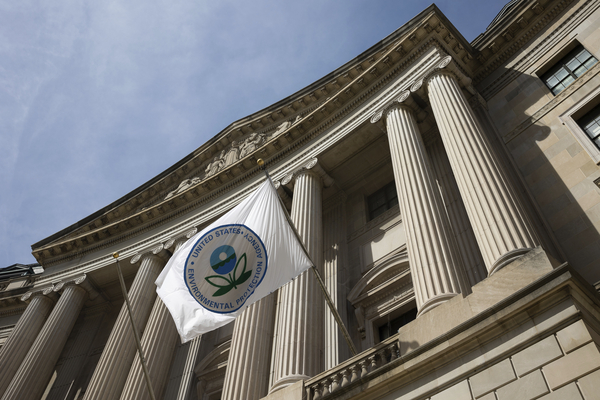
WASHINGTON–Today, Environmental Protection Agency (EPA) Administrator Lee Zeldin used an oil and gas industry conference in Santa Fe as a backdrop to preview the Trump administration’s plan to roll back important standards for methane pollution. Methane traps more than 80 times as much heat as carbon dioxide. It also escapes alongside toxic pollutants like benzene and formaldehyde that can cause cancer and other serious health problems. Margie Alt, Director of the Climate Action Campaign, released the following statement in response:
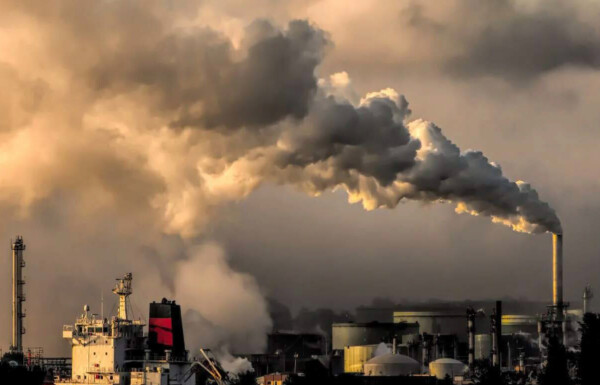
“Wherever there’s a gas plant, storage tank, or pipeline, you can bet methane is leaking into the air, supercharging the climate crisis and carrying a toxic firehose of pollution that increases asthma attacks, pre-term births, and premature deaths. Trump and his industry cronies are apparently fine with these outcomes. Proposing to give polluters a free pass to pollute our air will sicken our communities. We need stronger protections for struggling communities, not a corporate giveaway.
"After promising to grant the fossil fuel industry’s wish list in exchange for $1 billion in campaign donations, Trump and Lee Zeldin have spent the past 22 months systematically stripping the EPA’s authority to enforce any standards on climate pollution. Among the most egregious actions are repealing the Endangerment Finding and, more recently, a proposal to eliminate limits on power plant pollution. And now this. A weakened methane standard is the outcome Trump’s fossil fuel donors bought and paid for. In Trump’s and Zeldin’s EPA, the agenda is always Polluters First.”
###
About the Climate Action Campaign
Climate Action Campaign (CAC) is a vibrant coalition driving ambitious, durable, equitable federal action to tackle the climate crisis. By cutting carbon pollution and accelerating the transition to clean energy, we will improve public health and create a more resilient economy and a more sustainable future for all.